
Things to Do in Nepal is often the very first query typed into search engines by travelers dreaming of exploring the majestic Himalayas, ancient temples, and vibrant cultures of this stunning South Asian nation. Whether you are an adrenaline junkie seeking the world’s most dramatic trekking trails, a spiritual seeker looking for peace in centuries-old monasteries, or a nature lover wanting to spot rhinos and Bengal tigers in dense jungles, this country has something magical to offer. Finding the best Things to Do in Nepal can initially feel overwhelming simply because the sheer volume of activities, sights, and experiences is so vast. From the chaotic but deeply charming streets of Kathmandu to the serene, mirror-like lakes of Pokhara, Nepal is a destination that promises to change you. In this comprehensive, expert guide brought to you by Indo Nepal Holidays – Nepal, we will break down exactly how you can maximize your itinerary, navigate the local logistics, and experience the absolute best that the country has to offer.
Overview
Nepal, landlocked between the high Tibetan plateau of China to the north and the plains of India to the south, east, and west, is a country of extreme geographical diversity. To understand the best Things to Do in Nepal, one must first understand its unique topography. It is roughly divided into three distinct geographical zones: the snow-capped mountains of the Himalayas in the north, the rolling hills and lush valleys in the middle, and the flat, sub-tropical Terai plains in the south. This dramatic variation in elevation—from roughly 60 meters above sea level in the Terai to the towering 8,848.86 meters of Mount Everest (Sagarmatha)—creates a microcosm of diverse climates, flora, and fauna within a relatively small area.
But Nepal is not just defined by its mountains; it is defined by its people and their deeply rooted spirituality. The country is a beautiful melting pot of Hinduism and Buddhism, which coexist harmoniously. You will frequently find temples and stupas sharing the same courtyards, and festivals that are celebrated jointly by people of various faiths. The architectural heritage, particularly in the Kathmandu Valley, reflects a rich history of Malla kings, skilled Newari artisans, and centuries of trans-Himalayan trade.
When searching for Things to Do in Nepal, you will quickly realize that the country operates on its own unique rhythm. It is a place where you can be navigating a bustling, crowded bazaar filled with the scent of incense and spices one day, and standing in absolute, pristine silence surrounded by 8,000-meter peaks the next. The hospitality of the Nepali people is legendary; the phrase “Atithi Devo Bhava” (The guest is equivalent to God) is a cultural cornerstone that you will feel in every interaction, from remote teahouses to luxury hotels.
Contact us for any kind of tour or trekking packages inquiry, booking or customization on Whatsapp at +977 9700099979 or mail at info@indonepalholiday.com.
Major Attractions
To properly plan the best Things to Do in Nepal, you need to anchor your trip around the country’s major attractions. These iconic destinations serve as the perfect starting points for deeper exploration.
1. Kathmandu Valley (The Cultural Heartland)
The Kathmandu Valley is the historical and cultural heart of Nepal, comprising three ancient cities: Kathmandu, Patan (Lalitpur), and Bhaktapur.
- Kathmandu Durbar Square: A UNESCO World Heritage site, this complex of palaces, courtyards, and temples was the historical seat of Nepalese royalty. It is also home to the Kumari Ghar, where the living goddess of Nepal resides.
- Patan Durbar Square: Known as the city of fine arts, Patan boasts the most stunning Newari architecture, intricate wood carvings, and an exceptional museum detailing the history of Buddhism and Hinduism in the valley.
- Bhaktapur Durbar Square: Stepping into Bhaktapur is like stepping back in time. This well-preserved medieval city is famous for its pottery squares, the 55-Window Palace, and its deliciously unique King Curd (Juju Dhau).
- Swayambhunath (The Monkey Temple): Perched on a hill overlooking Kathmandu, this ancient religious complex is sacred to both Buddhists and Hindus. The iconic white dome and golden spire, painted with the all-seeing eyes of the Buddha, offer panoramic views of the city.
- Boudhanath Stupa: One of the largest spherical stupas in the world, Boudhanath is the center of Tibetan Buddhism in Nepal. Walking the kora (circumambulation) around the stupa at sunset alongside hundreds of chanting monks and pilgrims is an unforgettable experience.
- Pashupatinath Temple: The holiest Hindu temple in Nepal, located on the banks of the Bagmati River. It is a sprawling complex of ashrams, images, and inscriptions dedicated to Lord Shiva.
2. Pokhara (The Gateway to the Annapurnas)
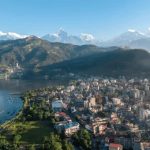
Pokhara is the tranquil antidote to Kathmandu’s beautiful chaos. Nestled beside the calm waters of Phewa Lake and shadowed by the magnificent Machhapuchhre (Fishtail) peak, Pokhara is one of the premier hubs for Things to Do in Nepal. It is the starting and ending point for most Annapurna region treks but is a massive attraction in its own right. You can visit the World Peace Pagoda, explore the mysterious Gupteshwor Mahadev Cave, or simply relax in the lakeside cafes watching paragliders float down from Sarangkot.
3. Chitwan National Park
Located in the sub-tropical lowlands of the Terai, Chitwan National Park is a massive shift from the alpine environments of the north. This UNESCO World Heritage site is a haven for wildlife. It is one of the best places in the world to see the One-Horned Rhinoceros, Bengal Tigers, Gharial crocodiles, and over 500 species of birds. The dense sal forests and grassy plains provide a true jungle safari experience.
4. Lumbini (The Birthplace of Lord Buddha)
For spiritual travelers, Lumbini is an essential pilgrimage site. Located in the Kapilavastu district, it is the exact place where Queen Mayadevi gave birth to Siddhartha Gautama (the Buddha) in 623 BC. The sacred garden features the Maya Devi Temple, the Ashoka Pillar (erected by the Indian Emperor Ashoka in 249 BC), and the sacred pond (Puskarni) where the Buddha had his first purification bath. The surrounding monastic zone features beautiful temples built by Buddhist communities from around the world.
5. Sagarmatha National Park (The Everest Region)
Home to the highest peak on earth, Mount Everest, this national park is a dramatic landscape of deep gorges, glaciers, and massive peaks. Beyond Everest itself, the region is famous for the Sherpa culture, the Tengboche Monastery, and breathtaking peaks like Ama Dablam and Lhotse. Even if you do not trek all the way to Base Camp, the region’s raw, powerful beauty is a major draw.
Things to Do
When compiling your ultimate list of Things to Do in Nepal, the options range from serene cultural immersion to extreme physical challenges. Here is a deep dive into the activities that define the Nepalese travel experience.
Trekking in the Himalayas
Trekking is undoubtedly the most famous of all the Things to Do in Nepal. The country offers an unrivaled network of trails that cater to everyone from absolute beginners to seasoned mountaineers.
- Everest Base Camp (EBC) Trek: The holy grail of trekking. This 12-to-14-day journey takes you through the heart of Sherpa country, crossing high suspension bridges, passing ancient monasteries, and culminating at the base of the world’s highest peak.
- Annapurna Circuit Trek: Historically known as one of the best long-distance treks in the world, this route circumambulates the Annapurna Massif. It features incredible ecological diversity, taking you from lush subtropics to the high, arid desert of the Tibetan plateau, crossing the challenging Thorong La Pass (5,416m).
- Annapurna Base Camp (ABC) Trek: A shorter (7-to-10-day) alternative to the circuit, taking you directly into the spectacular Annapurna Sanctuary, a high glacial basin surrounded by towering peaks.
- Manaslu Circuit Trek: For those looking to escape the crowds of Everest and Annapurna, Manaslu offers a rugged, raw, and culturally rich alternative. It requires a restricted area permit, keeping tourist numbers low and the experience highly authentic.
- Short Treks: If you are short on time, treks like the Ghorepani Poon Hill Trek (famous for its sunrise views over the Himalayas) or the Mardi Himal Trek offer incredible mountain panoramas with only 4 to 6 days of walking.
Contact us for any kind of tour or trekking packages inquiry, booking or customization on Whatsapp at +977 9700099979 or mail at info@indonepalholiday.com.
Jungle Safaris and Wildlife Tracking
If trekking isn’t your priority, adding a jungle safari to your list of Things to Do in Nepal is a must. Chitwan National Park and Bardia National Park are the premier destinations. You can embark on open-top jeep safaris, serene canoe rides down crocodile-infested rivers, and guided jungle walks. Bardia, located further west, is less visited than Chitwan and often boasts higher sighting rates for the elusive Bengal tiger.
Adventure Sports
Nepal is an absolute playground for adrenaline junkies. The steep terrain and fast-flowing rivers provide the perfect environment for extreme sports.
- White Water Rafting & Kayaking: Rivers like the Trishuli, Sun Koshi, and Bhote Koshi offer everything from gentle class II rapids to terrifying class V drops, fed directly by Himalayan snowmelt.
- Paragliding: Pokhara is consistently ranked as one of the top five commercial paragliding spots in the world. Taking off from Sarangkot and soaring with eagles alongside the Annapurna range before landing next to Phewa Lake is a breathtaking experience.
- Bungee Jumping and Canyon Swing: The Last Resort, located near the Tibetan border, features a 160-meter drop into the Bhote Koshi river gorge—one of the longest free-falls in the world. Another excellent spot is located in Kusma, offering some of the highest and most thrilling swings globally.
- Mountain Biking: The trails winding through the Kathmandu Valley rim and the lower Mustang region offer world-class downhill and cross-country mountain biking.
Spiritual Retreats and Yoga
Nepal’s deep-rooted connection to Buddhism and Hinduism makes it a global center for spiritual healing. Spending time in an ashram or taking a meditation course is one of the most fulfilling Things to Do in Nepal. Facilities around the Kathmandu Valley (especially near Boudhanath and Kopan Monastery) and Pokhara offer Vipassana meditation retreats, singing bowl sound healing therapies, and intensive yoga teacher training courses.
Helicopter Tours
If you want to experience the grandeur of the Himalayas but lack the time or physical endurance for a multi-week trek, a helicopter tour is a spectacular alternative. The Everest Base Camp Helicopter Tour allows you to fly from Kathmandu, land at Kala Patthar for a quick view of Everest, enjoy a champagne breakfast at a high-altitude lodge, and be back in Kathmandu by lunchtime. Similar tours operate for the Annapurna Base Camp out of Pokhara.
Culinary Exploration
Nepalese cuisine is a hearty, flavorful mix of Tibetan, Indian, and local Himalayan influences. Taking a cooking class or doing a food tour in Kathmandu is a fantastic way to connect with the culture. You must try Dal Bhat (lentil soup with rice and curried vegetables, the staple diet of the mountains), Momo (steamed or fried dumplings filled with meat or vegetables), Thukpa (a hearty Tibetan noodle soup), and Newari delicacies like Bara and Chatamari (often referred to as Nepali pizza).
Permit Charges
To protect the fragile Himalayan ecosystems and monitor the safety of trekkers, the Nepalese government requires tourists to obtain various permits before heading into the mountains. Understanding these fees is crucial when planning your Things to Do in Nepal. The costs vary significantly depending on your nationality (SAARC vs. Non-SAARC) and the region you intend to visit.
Below is a comprehensive markdown table detailing the primary permit charges for trekking regions in Nepal (Costs are approximate and subject to slight variations based on exchange rates and governmental updates).
| Trekking Region / Permit Type | Permit Name | Cost for Foreigners (Non-SAARC) | Cost for SAARC Nationals | Cost for Nepali Citizens |
| Everest Region (Sagarmatha) | Khumbu Pasang Lhamu Rural Municipality Fee | NPR 2,000 (Approx. $15 USD) | NPR 2,000 | Free |
| Everest Region (Sagarmatha) | Sagarmatha National Park Entry Fee | NPR 3,000 (Approx. $25 USD) | NPR 1,500 | NPR 100 |
| Annapurna Region | ACAP (Annapurna Conservation Area Project) | NPR 3,000 (Approx. $25 USD) | NPR 1,000 | NPR 100 |
| Manaslu Region | MCAP (Manaslu Conservation Area Project) | NPR 3,000 (Approx. $25 USD) | NPR 1,000 | NPR 100 |
| Manaslu Region (Restricted) | Manaslu Restricted Area Permit (RAP) | Sept-Nov: $100 for 1st 7 days (+$15/extra day). Dec-Aug: $75 for 1st 7 days (+$10/extra day). | Same as Non-SAARC | N/A |
| Upper Mustang (Restricted) | Upper Mustang Restricted Area Permit | $500 USD per person for the first 10 days. | $500 USD per person | N/A |
| Upper Mustang | ACAP (Annapurna Conservation Area Project) | NPR 3,000 (Approx. $25 USD) | NPR 1,000 | NPR 100 |
| General Trekking (Where applicable) | TIMS Card (Trekkers’ Information Management System) | NPR 1,000 to 2,000 depending on region | NPR 300 to 600 | Free |
Note: For Restricted Areas like Upper Mustang and Manaslu, solo trekking is strictly prohibited. You must have a minimum of two foreign trekkers in the group and be accompanied by a registered Nepali trekking guide.
Estimated Cost
Budgeting for your Things to Do in Nepal depends entirely on your travel style. Nepal is famously known as a budget backpacker’s paradise, but it has increasingly developed a robust luxury tourism sector featuring boutique heritage hotels and world-class mountain lodges.
Budget Traveler (Backpacker)
- Estimated Daily Cost: $25 – $40 USD per day.
- Accommodation: Hostels in Kathmandu (Thamel) and Pokhara, or basic teahouses on trekking routes. ($5 – $10 per night).
- Food: Eating local. Dal Bhat, momos, and street food. ($10 – $15 per day).
- Transport: Local buses, which are cheap but incredibly slow and often crowded. Walking. ($2 – $5 per day).
- Activities: Self-guided walking tours, entrance fees to Durbar squares, independent trekking in non-restricted areas.
Mid-Range Traveler (Standard Tourist)
- Estimated Daily Cost: $60 – $120 USD per day.
- Accommodation: Comfortable 3-star hotels with AC, Wi-Fi, and attached bathrooms; upgraded teahouses with hot showers on treks. ($30 – $60 per night).
- Food: A mix of local restaurants and tourist-oriented cafes offering Western, Indian, and Continental food. ($20 – $30 per day).
- Transport: Tourist buses (like Greenline) between major cities, private taxis for short trips, occasional domestic flights. ($10 – $30 per day).
- Activities: Guided city tours, organized standard trekking packages, jungle safari packages, paragliding.
Luxury Traveler
- Estimated Daily Cost: $250 – $1,000+ USD per day.
- Accommodation: 5-star heritage hotels in Kathmandu (like The Dwarika’s), luxury resorts in Pokhara and Chitwan, and premium luxury lodges on the Everest or Annapurna trails. ($150 – $500+ per night).
- Food: Fine dining at top-tier restaurants, imported wines, and private chef services at high-end lodges. ($50 – $100 per day).
- Transport: Domestic flights to skip long drives, private air-conditioned SUVs, and chartered helicopter flights to base camps. ($100 – $500+ per day).
- Activities: Private guided tours, exclusive helicopter sightseeing with champagne breakfasts, private wildlife safaris.
Contact us for any kind of tour or trekking packages inquiry, booking or customization on Whatsapp at +977 9700099979 or mail at info@indonepalholiday.com.
Things to Carry
Packing for Nepal requires strategic planning, especially if your list of Things to Do in Nepal includes both city exploration in the warm valleys and high-altitude trekking in freezing temperatures. Layering is the golden rule. Here is a comprehensive checklist of what to carry for a standard 2-to-3-week trip combining sightseeing and a moderate trek.
1. Essential Documents
- Passport: Must be valid for at least 6 months beyond your entry date, with blank visa pages.
- Visa: You can get a Visa on Arrival at Tribhuvan International Airport, but bring the exact cash amount in USD and two passport-sized photos.
- Travel Insurance: Absolute necessity. Ensure your policy explicitly covers high-altitude trekking (up to 6,000m) and emergency helicopter evacuation.
- Cash: While ATMs are common in Kathmandu and Pokhara, they are non-existent in the mountains. Carry enough Nepalese Rupees to cover your entire trek.
2. Clothing (The Layering System)
- Base Layers: 2-3 sets of moisture-wicking thermal tops and bottoms (merino wool is highly recommended).
- Trekking Shirts: 3-4 quick-dry, breathable t-shirts (short and long sleeve).
- Trekking Pants: 2 pairs of comfortable, quick-dry trekking trousers (convertible pants that turn into shorts are great).
- Insulation Layer: A high-quality fleece jacket or a warm, thick sweater.
- Outer Shell: A down jacket (crucial for cold mountain evenings) and a high-quality windproof/waterproof Gore-Tex jacket.
- Footwear: Sturdy, broken-in waterproof trekking boots with ankle support. A pair of comfortable sneakers or sandals for walking around the cities or relaxing at teahouses in the evenings.
- Socks: 4-5 pairs of moisture-wicking trekking socks (wool blends) and a few pairs of liner socks to prevent blisters.
- Head & Hands: A warm beanie, a wide-brimmed sun hat, polarized UV-protection sunglasses, light inner gloves, and heavy windproof/waterproof outer gloves.
3. Trekking Gear and Equipment
- Backpack: A comfortable 40-50 liter backpack with a rain cover. If you are hiring a porter through Indo Nepal Holidays, a duffel bag will be provided for them to carry, and you will only need a small 20-30 liter daypack for your water, camera, and daily essentials.
- Sleeping Bag: A four-season sleeping bag rated to at least -10°C to -15°C (Teahouses provide blankets, but rooms are unheated and very cold).
- Trekking Poles: Highly recommended to save your knees on the relentless steep descents.
- Headlamp: Essential for early morning hikes (like Poon Hill or Kala Patthar) and for navigating poorly lit teahouses at night. Bring extra batteries.
- Water Purification: Bottled water becomes incredibly expensive and environmentally damaging at high altitudes. Bring a Lifestraw, SteriPen, or water purification tablets along with 2 reusable Nalgene water bottles.
4. Toiletries and First Aid
- Toiletries: Biodegradable soap, travel-sized shampoo, toothpaste, toothbrush, wet wipes (crucial when showers are unavailable or freezing), hand sanitizer, and a quick-dry microfiber towel.
- Sun Protection: High SPF sunscreen (50+), SPF lip balm. The UV radiation at high altitudes is incredibly intense.
- First Aid Kit: Band-aids, blister tape (moleskin), antiseptic cream, ibuprofen/paracetamol, anti-diarrhea medication (Imodium), rehydration salts, and broad-spectrum antibiotics (consult your doctor).
- Diamox (Acetazolamide): Medication to help prevent Acute Mountain Sickness (AMS). Always consult your physician before use.
5. Electronics and Miscellaneous
- Power Bank: Cold weather drains batteries incredibly fast. Teahouses charge fees to let you plug in your devices. A high-capacity power bank is a lifesaver.
- Universal Adapter: Nepal uses a mix of European and Indian style plugs (Types C, D, and M).
- Camera Gear: Extra batteries, plenty of memory cards, and a protective case.
- Snacks: High-energy trekking snacks like trail mix, protein bars, chocolate, and electrolytes are great for a quick morale boost on the trail.
Planning the perfect itinerary to experience all the Things to Do in Nepal takes careful consideration of seasons, fitness levels, and personal interests. Whether you are aiming to conquer the high passes of the Himalayas, seek spiritual enlightenment in the birth land of the Buddha, or simply want to sip organic coffee while gazing at the Annapurnas, Nepal will welcome you with open arms. Let the expert team at Indo Nepal Holidays take the stress out of your logistics, so you can focus entirely on the adventure of a lifetime.
- 🔗 Click here to learn about Everest Base Camp Trek from India: Complete Itinerary, Costs, and Logistics
- 🔗 Click here to learn about Nepal Tour Package from India: Tips, Itineraries, Costs, and Customization
- 🔗 Click here to learn about Kathmandu and Nagarkot Tour: The Ultimate Himalayan Sunrise & Heritage Experience
- 🔗 Click here to learn about Nepal Tour Package 2026: The Ultimate Guide (Pickup from Gorakhpur, Siliguri, Raxaul, Kathmandu & Gaddachauki)
- 🔗 Click here to learn about Muktinath Darshan Package 2026: The Ultimate Guide (Pickup from Gorakhpur, Siliguri, Raxaul, Kathmandu & Gaddachauki)
- 🔗 Click here to learn about Pokhara Kathmandu Tour 2026: The Perfect Blend of Culture and Himalayan Beauty
- 🔗 Click here to learn about Annapurna Base Camp Trek 2026: The Ultimate Sanctuary Journey
- 🔗 Click here to learn about Everest Base Camp Trek 2026: The Definitive Guide to the Foot of the World
- 🔗 Click here to learn about Nepal travel Guide
- 🔗 Click here to learn about Best Time to Visit Nepal
- 🔗 Click here to learn about Best Places to Visit Nepal
🔗 Click here to learn about “Nepal Tour Package 2026: The Ultimate Travel Guide for Every Global Traveler”