
Finding the best time to visit Nepal is the ultimate key to unlocking the Himalayan journey of your dreams, whether you are seeking high-altitude trekking, cultural immersion, or serene jungle safaris. Nestled between the towering peaks of the Himalayas and the lush plains of the Indian subcontinent, Nepal is a country of staggering geographical diversity. Because of this dramatic variation in altitude—ranging from just 59 meters above sea level in the southern Terai plains to 8,848.86 meters at the summit of Mount Everest—the climate fluctuates wildly from region to region. For anyone planning a trip with Indo Nepal Holidays, understanding the seasonal shifts, weather patterns, and regional climates is absolutely essential to ensure a safe, comfortable, and awe-inspiring adventure. In this comprehensive guide, we will explore everything you need to know about planning your itinerary, securing permits, budgeting, and discovering the absolute best time to visit Nepal.
1. Understanding the Seasons
When determining the best time to visit Nepal, you must first understand the four distinct seasons that govern the country’s weather and tourism landscape. Nepal’s climate is heavily influenced by the maritime and continental monsoons, creating distinct periods of dry, clear weather and wet, cloudy conditions.
Spring (March to May): The Season of Blossoms
Spring is widely considered the second best time to visit Nepal, and for many nature lovers, it ranks as number one. During these months, the weather is mild, the days are getting longer, and the temperatures are comfortable across the country. The lower elevations, including Kathmandu and Pokhara, experience warm days and pleasant evenings. In the trekking regions, the melting winter snow opens up higher passes. The most spectacular feature of spring is the blooming of rhododendrons—Nepal’s national flower—which paints the hillsides in vibrant shades of red, pink, and white. Visibility is generally excellent early in the season, though some heat haze can build up by late May before the monsoon arrives.
Autumn (September to November): The Peak Trekking Season
Without a doubt, autumn is universally recognized as the absolute best time to visit Nepal. The monsoon rains of the summer have washed the dust and pollution from the air, leaving the skies crystal clear and offering the most breathtaking, unobstructed views of the Himalayan giants. Temperatures are moderate—neither too hot in the plains nor too cold in the mountains—making it perfect for demanding treks like the Everest Base Camp or the Annapurna Circuit. Furthermore, this season coincides with Nepal’s most significant Hindu festivals, Dashain and Tihar, offering visitors incredible opportunities for cultural immersion.
contact us for any kind of tour or trekking packages inquiry, booking or customization on whatsapp at +977 9700099979 or mail at info@indonepalholiday.com
Winter (December to February): The Quiet Chill
Winter in Nepal brings cold temperatures, particularly in the mountainous regions where heavy snowfall can block high-altitude passes. However, winter can still be a fantastic time to visit if you know where to go. The skies are remarkably clear, often boasting better visibility than spring. This is the best time to visit Nepal for lower-elevation treks (like the Ghorepani Poon Hill trek), wildlife safaris in Chitwan or Bardia, and exploring the cultural heritage of the Kathmandu Valley without the massive crowds of autumn. Just be prepared for freezing temperatures at night, even in the mid-hills.
Summer / Monsoon (June to August): The Lush Greenery
The summer months bring the monsoon to Nepal. Heavy, daily rainfalls swell the rivers, make trekking trails muddy and prone to leeches, and often obscure mountain views behind thick clouds. Consequently, this is generally considered the off-season for traditional tourism. However, for a select group of travelers, the monsoon can be the best time to visit Nepal. The rain shadow regions—such as Upper Mustang, Dolpo, and the Nar Phu Valley—receive very little rainfall because they are protected by the high Himalayas. These trans-Himalayan zones are spectacular in the summer. Additionally, the countryside across Nepal is incredibly lush, green, and vibrant, making it a wonderful time for agriculture enthusiasts and specialized photographers.
2. Major Attractions for Your Nepal Itinerary
No matter when you decide is the best time to visit Nepal, the country offers a wealth of incredible destinations. Indo Nepal Holidays recommends incorporating a mix of cultural heritage, natural beauty, and wildlife into your itinerary.
The Kathmandu Valley
The cultural and historical heart of Nepal, the Kathmandu Valley comprises three ancient cities: Kathmandu, Patan, and Bhaktapur. Home to seven UNESCO World Heritage Sites, the valley is a living museum of intricate wood carvings, ancient pagoda temples, and bustling bazaars. Key sights include the sacred Hindu temple of Pashupatinath, the massive Buddhist stupa of Boudhanath, the “Monkey Temple” of Swayambhunath, and the incredibly preserved medieval squares of Patan and Bhaktapur. The Kathmandu Valley can be visited year-round, though sightseeing is most pleasant during spring and autumn.
Pokhara: The Gateway to the Annapurnas
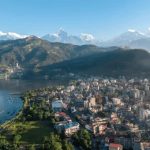
Pokhara is Nepal’s premier leisure destination and the starting point for most treks in the Annapurna region. Set beside the tranquil Phewa Lake with the jagged peaks of the Machhapuchhre (Fishtail) and Annapurna range reflecting in its waters, Pokhara is breathtaking. Visitors can enjoy boating, explore mysterious caves like Gupteshwor, visit the World Peace Pagoda, or simply relax in the cafes of Lakeside. The best time to visit Nepal’s lake city is autumn for the clearest mountain reflections, but spring is also delightfully warm.
Chitwan National Park
Located in the subtropical inner Terai lowlands, Chitwan National Park is a UNESCO World Heritage site and one of the best wildlife viewing destinations in Asia. Here, visitors can embark on jeep safaris, canoe rides, and jungle walks to spot the endangered one-horned rhinoceros, Bengal tigers, gharial crocodiles, and hundreds of species of birds. The ideal time to visit Chitwan is from October to March, avoiding the sweltering heat and heavy rains of the monsoon.
Lumbini: The Birthplace of Buddha
Lumbini, situated in the southwestern plains, is one of the most important spiritual sites in the world. As the birthplace of Siddhartha Gautama (Lord Buddha), it attracts pilgrims and peace-seekers globally. The Maya Devi Temple, the exact spot of his birth, is the centerpiece, surrounded by an expansive monastic zone featuring spectacular temples built by Buddhist nations from around the world. Winter and early spring are the best times to explore Lumbini before the Terai heat becomes overpowering.
The Everest and Annapurna Regions
For trekkers, these two regions are the holy grail. The Everest Base Camp (EBC) trek offers the chance to stand in the shadow of the world’s tallest mountain and experience the unique Sherpa culture. The Annapurna Circuit and Annapurna Base Camp (ABC) treks offer incredible ecological diversity, taking you from subtropical forests to alpine meadows and high desert landscapes. To tackle these legendary routes, you absolutely must plan your trip around the best time to visit Nepal—namely, October/November or April/May.
3. Permit Charges (Nation-Wise Breakdown)
Trekking in Nepal requires specific permits depending on the region you plan to visit. The government uses these fees to maintain trails, support local communities, and protect the fragile Himalayan environment. Understanding these costs is crucial when planning your trip. Below is a detailed table of standard permit charges.
| Permit Type / National Park | Cost for Foreign Nationals (approx. USD equivalent) | Cost for SAARC Nationals (approx. USD equivalent) | Cost for Nepalese Citizens |
| TIMS Card (Trekkers’ Information Management System) | NPR 2,000 (~$15) | NPR 1,000 (~$7.50) | N/A |
| Sagarmatha (Everest) National Park Entry | NPR 3,000 (~$23) | NPR 1,500 (~$11.50) | NPR 100 |
| Khumbu Pasang Lhamu Rural Municipality Fee (Everest) | NPR 2,000 (~$15) | NPR 2,000 (~$15) | N/A |
| Annapurna Conservation Area Project (ACAP) | NPR 3,000 (~$23) | NPR 1,000 (~$7.50) | NPR 100 |
| Langtang National Park Entry | NPR 3,000 (~$23) | NPR 1,500 (~$11.50) | NPR 100 |
| Chitwan National Park Entry | NPR 2,000 (~$15) | NPR 1,000 (~$7.50) | NPR 150 |
| Upper Mustang Restricted Area Permit | $500 for first 10 days, $50/day thereafter | $500 for first 10 days, $50/day thereafter | N/A |
| Manaslu Restricted Area Permit (Autumn) | $100 for first 7 days, $15/day thereafter | $100 for first 7 days, $15/day thereafter | N/A |
Note: Permit prices are subject to change by the Nepal Government. Always consult with Indo Nepal Holidays for the most up-to-date fee structures before your journey.
Contact us for any kind of tour or trekking packages inquiry, booking or customization on Whatsapp at +977 9700099979 or mail at info@indonepalholiday.com.
4. Estimated Cost of Traveling in Nepal
Nepal is renowned as one of the most budget-friendly travel destinations in the world, yet it also caters beautifully to luxury travelers seeking world-class hospitality. Your estimated cost will depend heavily on your travel style, the activities you choose, and whether you are traveling during the peak best time to visit Nepal (when prices for flights and lodges are generally higher) or the off-season.
Budget Travelers (Backpackers)
- Daily Budget: $25 – $40 USD per day.
- Accommodation: Hostels in Kathmandu and Pokhara or basic teahouses on trekking routes ($5 – $10 per night).
- Food: Local eateries serving Dal Bhat (lentil soup, rice, and curries), momos, and street food ($10 – $15 per day).
- Transportation: Local public buses and walking ($5 – $10 per day).
Mid-Range Travelers
- Daily Budget: $60 – $120 USD per day.
- Accommodation: Comfortable 3-star hotels with AC, en-suite bathrooms, and breakfast included; upgraded teahouses with attached baths where available on treks ($30 – $60 per night).
- Food: Tourist-oriented restaurants offering continental, Indian, and high-quality Nepali cuisine ($20 – $35 per day).
- Transportation: Tourist buses (like standard AC coaches between cities), domestic flights for long distances, and private taxis ($10 – $25 per day average, excluding flights).
Luxury Travelers
- Daily Budget: $200 – $500+ USD per day.
- Accommodation: 5-star heritage hotels in Kathmandu, luxury boutique resorts in Pokhara and Chitwan, and premium luxury lodges on the Everest and Annapurna trails ($150 – $350+ per night).
- Food: Fine dining at top-tier hotel restaurants, imported wines, and private dining experiences ($50 – $100+ per day).
- Transportation: Private chauffeured SUVs, chartered helicopter flights to base camps, and premium domestic flights.
Typical Tour Package Costs with Indo Nepal Holidays
For a comprehensive, hassle-free experience, booking a package is often the most economical and safe choice.
- Standard 7-Day Cultural Tour: $400 – $700 per person.
- 12-Day Annapurna Base Camp Trek: $800 – $1,200 per person (includes guides, porters, permits, food, and lodging).
- 14-Day Everest Base Camp Trek: $1,200 – $1,600 per person.
5. Things to Do During the Best Time to Visit Nepal
To maximize your experience, aligning your planned activities with the best time to visit Nepal is crucial. Here are the top things you must do during your trip:
High-Altitude Trekking
Trekking is synonymous with Nepal. Whether you choose the bustling trails of Everest and Annapurna, or off-the-beaten-path routes like Makalu Base Camp or the Kanchenjunga Circuit, walking through the Himalayas is a transformative experience. During autumn and spring, the trails are vibrant with international trekkers, teahouses are fully operational, and the mountain panoramas are spectacular.
Peak Climbing and Mountaineering
For those looking for an extreme adventure beyond trekking, Nepal offers numerous “trekking peaks” like Island Peak, Mera Peak, and Lobuche East. These require technical gear and mountaineering experience. The absolute best time to visit Nepal for summit pushes is the pre-monsoon spring (April/May) or post-monsoon autumn (October/November) when weather windows are the most stable.
Wildlife Safaris
Head south to the Terai region to explore the dense jungles of Chitwan National Park or the more remote Bardia National Park. Engage in jeep safaris, guided jungle walks, and bird-watching tours. The dry winter months and early spring offer the best wildlife viewing, as the tall elephant grass dies back, making tigers and rhinos easier to spot.
Cultural Heritage Tours
Immerse yourself in Nepal’s rich tapestry of Hinduism and Buddhism. Spend days exploring the Durbar Squares of the Kathmandu Valley, wandering the medieval streets of Bhaktapur, spinning prayer wheels at Boudhanath, and discovering the birthplace of Buddha in Lumbini. Cultural tours are fantastic year-round, though navigating the cities is more comfortable outside the rainy monsoon.
Adventure Sports
Nepal is a playground for adrenaline junkies.
- White-Water Rafting & Kayaking: Rivers fed by Himalayan snowmelt offer world-class rapids. The Sun Koshi, Trisuli, and Bhote Koshi are thrilling. Post-monsoon autumn features the most exciting water levels.
- Paragliding & Ultralight Flights: Pokhara is one of the top paragliding destinations globally. Launch from Sarangkot and soar alongside eagles with the Annapurna range in the background.
- Bungee Jumping: Experience a heart-stopping 160-meter drop over the raging Bhote Koshi river near the Tibetan border.
6. Essential Things to Carry
Packing correctly is just as important as choosing the best time to visit Nepal. Because the country features such varied climates, layering is the secret to a comfortable trip. Below is a comprehensive packing list based on standard travel and trekking needs.
Clothing
- Base Layers: Moisture-wicking thermal tops and bottoms (crucial for trekking and winter visits).
- Trekking Shirts: Lightweight, breathable, quick-drying t-shirts and long-sleeve shirts.
- Fleece Jacket: A mid-layer for warmth during cool evenings.
- Insulated Jacket: A high-quality down jacket is mandatory for Himalayan treks or winter travel.
- Waterproof Shell: A breathable rain jacket and rain pants (Gore-Tex or similar) to protect against wind and unexpected showers.
- Trekking Trousers: Comfortable, durable pants (zip-off styles are highly practical).
- Headwear: A wide-brimmed sun hat, a warm fleece or wool beanie, and a buff/neck gaiter to protect against dust and cold air.
- Gloves: Lightweight fleece gloves and heavy-duty insulated, waterproof gloves for high altitudes.
Footwear
- Trekking Boots: Sturdy, waterproof, ankle-supporting boots. Crucial: Break them in before you arrive!
- Camp Shoes: Lightweight sneakers or sandals to wear around the teahouses after a long day of hiking.
- Socks: Several pairs of high-quality merino wool trekking socks.
Trekking Gear & Equipment
- Backpack: A comfortable 40-50L daypack if you have a porter, or a larger pack if carrying your own gear. Ensure it has a rain cover.
- Sleeping Bag: Rated for -10°C to -20°C depending on your trek and season. (These can easily be rented in Kathmandu).
- Trekking Poles: Highly recommended to save your knees on steep Himalayan descents.
- Headlamp: Essential for early morning summit hikes and poorly lit teahouses. Bring extra batteries.
- Water Purification: LifeStraw, SteriPen, or water purification tablets to avoid buying single-use plastic bottles on the trail.
- Hydration Bladder/Bottles: Minimum 2-3 liters capacity.
Health, Hygiene, and Electronics
- First Aid Kit: Bandages, blister plasters, antiseptic, pain relievers, anti-diarrhea medication, and Diamox (altitude sickness medication).
- Sun Protection: High SPF sunscreen, SPF lip balm, and UV-protection polarized sunglasses. The Himalayan sun is exceptionally strong.
- Toiletries: Wet wipes, hand sanitizer, quick-dry travel towel, and biodegradable soap.
- Electronics: Universal power adapter, high-capacity power bank (cold batteries drain fast), camera, and extra memory cards.
Contact us for any kind of tour or trekking packages inquiry, booking or customization on Whatsapp at +977 9700099979 or mail at info@indonepalholiday.com.
Deep Dive: A Month-by-Month Guide to the Best Time to Visit Nepal
To truly pinpoint the best time to visit Nepal for your specific interests, it helps to look at what each month brings to the country.
January
January is deep winter. It is cold, particularly in the mountains where high passes like Thorong La may be blocked by snow. However, skies are incredibly clear. It’s a great month for low-altitude cultural tours, jungle safaris in Chitwan, and short treks below 3,000 meters.
February
Similar to January, February is cold but begins to warm up towards the end of the month. Visibility remains excellent. It is a quiet time on the trails, making it ideal for travelers who want to avoid the crowds and experience the serene, frozen beauty of the Himalayas.
March
March kicks off the spring trekking season. Temperatures rise, and the snowline begins to retreat. The famous rhododendron forests start blooming in the lower elevations. This is a phenomenal month for trekking, offering a great balance of moderate weather and beautiful landscapes.
April
April is widely considered the peak of the spring season and a prime contender for the overall best time to visit Nepal. The weather is warm, days are long, and the rhododendrons are in full, spectacular bloom, especially in the Ghorepani and Langtang regions. It is also the main climbing season for Mount Everest, bringing vibrant energy to the Khumbu region.
May
May is warm and sometimes hot in the lower valleys. It is the end of the spring season. While the trekking is still excellent, you may experience some pre-monsoon heat haze or late-afternoon thunderstorms. High-altitude trekking is still very viable, and it’s an excellent time for wildlife viewing in the Terai as animals gather around shrinking water sources.
June
The monsoon typically arrives in mid-June. Heat and humidity spike, and heavy rains begin. Cloud cover obscures the mountains. If you visit in June, focus on the Kathmandu Valley’s cultural sights or prepare for wet conditions.
July
July is the height of the monsoon. Trails in the main trekking regions are muddy, slippery, and plagued by leeches. However, this is the absolute best time to visit Nepal if you are heading to the rain shadow regions of Upper Mustang or Upper Dolpo, where the weather remains dry and the trans-Himalayan scenery is breathtaking.
August
Similar to July, August is very wet. The landscape across the country is brilliantly green, and the rivers are raging. It is a time of vibrant agricultural life and festivals like Teej. Travel by road can be challenging due to landslides, so domestic flights and flexible itineraries are recommended.
September
The monsoon begins to withdraw in September. The first half of the month can still see rain, but by late September, the skies clear, revealing mountains that have been washed clean of dust. The landscape is incredibly lush, making late September an absolutely stunning time to arrive for early autumn trekking.
October
October is the undisputed champion and the peak best time to visit Nepal. The weather is stable, skies are deep blue, temperatures are perfect, and visibility is at its absolute maximum. It is the busiest month, so booking flights, teahouses, and tour packages with Indo Nepal Holidays well in advance is mandatory.
November
November continues the spectacular weather of October but with gradually dropping temperatures as winter approaches. The air is crisp, and the mountain views remain flawless. It is an excellent month for any trek, offering slightly fewer crowds than October but equally amazing conditions.
December
Early December is still a fantastic time to visit. The skies are clear, but the temperatures drop significantly, especially at night. It marks the transition into winter. Prepare with heavy down gear if trekking, but enjoy the pristine, crowd-free trails and magical winter atmosphere.
Conclusion: Start Your Journey Today
Determining the best time to visit Nepal ultimately depends on what you want to achieve. For crystal clear mountain views and high-altitude trekking, autumn (October/November) and spring (April/May) are unparalleled. For serene cultural exploration and wildlife safaris, winter offers a quiet charm. And for exploring the mystical rain shadow regions, the summer monsoon opens a hidden world.
Nepal is a country that captures the heart of everyone who visits. From the chaotic, colorful streets of Kathmandu to the silent, frozen majesty of Everest Base Camp, it is a land of profound contrasts and unparalleled beauty. Whenever you decide is the best time to visit Nepal for you, the expert team at Indo Nepal Holidays is here to ensure your trip is safe, perfectly organized, and deeply memorable.
- 🔗 Click here to learn about Everest Base Camp Trek from India: Complete Itinerary, Costs, and Logistics
- 🔗 Click here to learn about Nepal Tour Package from India: Tips, Itineraries, Costs, and Customization
- 🔗 Click here to learn about Kathmandu and Nagarkot Tour: The Ultimate Himalayan Sunrise & Heritage Experience
- 🔗 Click here to learn about Nepal Tour Package 2026: The Ultimate Guide (Pickup from Gorakhpur, Siliguri, Raxaul, Kathmandu & Gaddachauki)
- 🔗 Click here to learn about Muktinath Darshan Package 2026: The Ultimate Guide (Pickup from Gorakhpur, Siliguri, Raxaul, Kathmandu & Gaddachauki)
- 🔗 Click here to learn about Pokhara Kathmandu Tour 2026: The Perfect Blend of Culture and Himalayan Beauty
- 🔗 Click here to learn about Annapurna Base Camp Trek 2026: The Ultimate Sanctuary Journey
- 🔗 Click here to learn about Everest Base Camp Trek 2026: The Definitive Guide to the Foot of the World
- 🔗 Click here to learn about Nepal travel Guide
- 🔗 Click here to learn about Best Places to Visit Nepal
- 🔗 Click here to learn about Things to Do in Nepal
🔗 Click here to learn about “Nepal Tour Package 2026: The Ultimate Travel Guide for Every Global Traveler”