The Kathmandu Valley tour is a sensory-rich expedition into the historical and cultural nucleus of Nepal. The journey centers on the three ancient Durbar Squares—Kathmandu, Patan, and Bhaktapur—which served as the royal seats of the Malla Kings who ruled the valley for centuries. Each square is a masterpiece of open-air architecture, featuring soaring temples, intricate stone monoliths, and the “living heritage” of the Kumari, the world’s only living goddess. The transition between these three cities offers a fascinating look at the subtle differences in Newari culture, from the royal elegance of Patan’s metalwork to the perfectly preserved, medieval atmosphere of Bhaktapur’s brick-lined streets.
Complementing the royal history is the valley’s profound spiritual landscape. The journey takes travelers to the most significant religious landmarks in the country. This includes the massive, all-seeing eyes of the Swayambhunath Stupa (The Monkey Temple) perched high on a hill, and the Boudhanath Stupa, one of the largest and most important Tibetan Buddhist monuments outside of Tibet. For Hindu pilgrims, a visit to the Pashupatinath Temple on the banks of the sacred Bagmati River is a transformative experience, offering a front-row seat to the ancient rituals of life, death, and cremation that have remained unchanged for centuries.
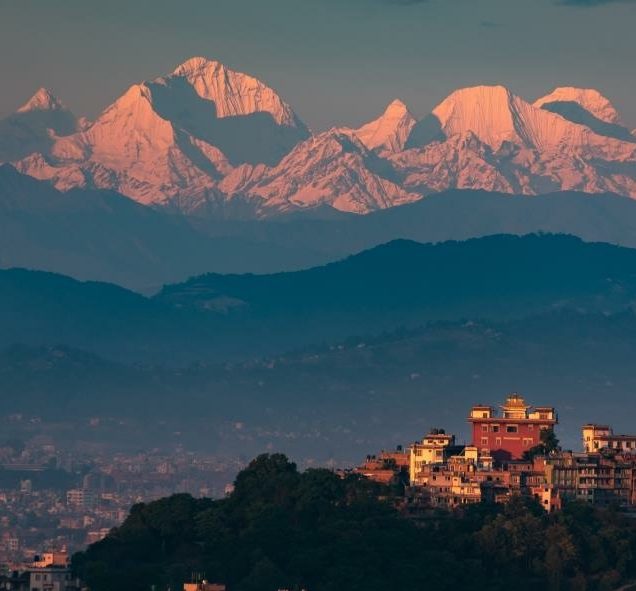
While the historical and religious sites are the primary draw, the Kathmandu Valley also provides a vibrant modern experience. The district of Thamel acts as a bustling, global hub for trekkers and adventurers, filled with colorful shops, international cafes, and gear stores. In contrast, the quieter suburbs and hill stations like Nagarkot offer a peaceful retreat with breathtaking views of the Everest and Langtang ranges. Whether you are looking for deep cultural immersion, a spiritual pilgrimage, or a comfortable introduction to the Himalayas, the Kathmandu Valley provides a multifaceted and unforgettable starting point for any Nepalese adventure.
Sights
Map
Info
The Royal Legacy: Three Durbar Squares The history of the Kathmandu Valley is defined by the rivalry and artistic ambition of the Malla Kings, who divided the valley into three kingdoms. Each king sought to outdo the other in the beauty of their royal palace and surrounding temples.
-
Kathmandu Durbar Square: Located in the heart of the capital, this square features the Hanuman Dhoka Palace and the Kastamandap (Wood-Pavilion), from which the city takes its name. It is also the home of the Kumari Ghar, where the living goddess resides.
-
Patan Durbar Square (Lalitpur): Known as the “City of Fine Arts,” Patan is renowned for its incredible metal statues and stone carvings. The Krishna Mandir, built entirely of stone, is the highlight of this square, showcasing a level of detail that is arguably the finest in the entire valley.
-
Bhaktapur Durbar Square: Often described as a living museum, Bhaktapur is the most well-preserved of the three. The city is famous for its 55-window palace, the soaring Nyatapola Temple (the tallest in Nepal), and its traditional pottery square where artisans still use ancient methods to fire clay.
Swayambhunath and Boudhanath: The Buddhist Anchors The Kathmandu Valley is a premier destination for Buddhist pilgrimage, home to two of the most iconic stupas in the world. Swayambhunath, situated atop a wooded hill to the west, is one of the oldest religious sites in Nepal. The stupa, with its iconic painted eyes and golden spire, offers a panoramic view of the entire valley floor and is a symbol of peace and harmony. Boudhanath, located on the ancient trade route to Tibet, is the center of Tibetan culture in Nepal. The massive white dome is surrounded by dozens of monasteries and a bustling circular market. Walking the “Kora” (circumambulation) around the stupa alongside hundreds of monks and devotees spinning prayer wheels is a deeply meditative experience.
Pashupatinath: The Sacred Abode of Shiva For Hindus, the Pashupatinath Temple is the holiest site in Nepal and one of the most important Shiva temples in the world. Situated on the banks of the Bagmati River, the main pagoda-style temple features a gilded roof and silver-plated doors. While the inner sanctum is reserved for Hindus, the surrounding complex is vast and open to all. Visitors can witness the “Aarya Ghats,” where open-air cremations are performed with deep solemnity, reflecting the Hindu belief in the cycle of life and death. The evening “Sandhya Aarti,” a fire-lit ritual performed by priests on the riverbank, is a spectacular display of devotion involving music, oil lamps, and hundreds of gathered devotees.
Newari Culture and Gastronomy The indigenous Newar people are the creators of the valley’s magnificent art and architecture. Their influence extends heavily into the culinary scene. A traditional Newari feast is an adventure for the palate, featuring dishes like Samay Baji (a platter of beaten rice, roasted meat, and spicy beans) and Yomari (a steamed rice-flour dumpling filled with sweet molasses). The valley is also famous for its high-quality handicrafts. From the intricate woodcarvings seen on windows and doors to the fine pashmina shawls and hand-knotted carpets found in the markets of Lalitpur, the craftsmanship of the valley is a testament to its long history as a center of artistic excellence.
Travel Logistics and Best Time to Visit Kathmandu is the primary gateway to Nepal, home to the Tribhuvan International Airport. Navigating the valley is best done by hiring a private, air-conditioned vehicle or using local taxis, as the historical sites are dispersed across the three cities. While the city can be dusty and busy, the historical zones are pedestrian-friendly sanctuaries. The absolute best time to visit is during the autumn (September to November) and spring (March to May). During these months, the weather is pleasantly mild, the skies are generally clear for mountain viewing, and the valley is vibrant with numerous festivals. The winter months (December to February) are cool but sunny, while the monsoon (June to August) brings rain that turns the valley an incredible emerald green, though it can cloud the mountain views.