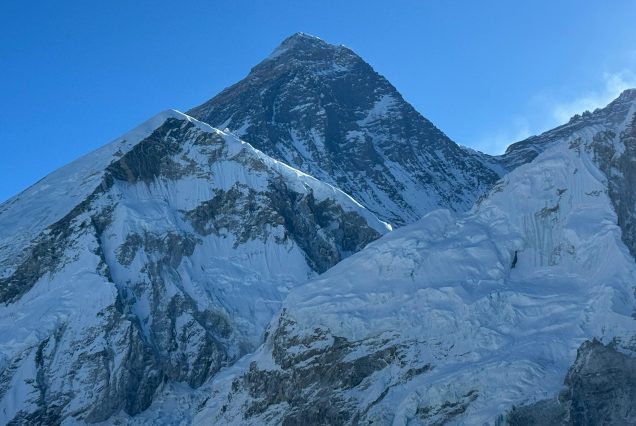
Everest Base Camp (EBC) is the ultimate destination for adventurers, trekkers, and dreamers from every corner of the globe. Located in the heart of the Khumbu region of Nepal at an altitude of 5,364 meters (17,598 feet), it serves as the doorstep to the highest point on Earth—Mount Everest (Sagarmatha). To stand at Base Camp is to stand in the shadow of giants, surrounded by the world’s most formidable peaks, including Lhotse, Nuptse, and the iconic, pyramid-shaped summit of Everest itself. This is not just a trekking destination; it is a pilgrimage to the “Top of the World,” a journey that tests your physical endurance, rewards your spirit with unparalleled views, and immerses you in the legendary culture of the Sherpa people.
The trek to Everest Base Camp is widely considered one of the most spectacular walking journeys on the planet. Every step of the way offers a shifting landscape of dramatic beauty, from the lush rhododendron and pine forests of the lower valleys to the stark, lunar-like moraines of the high-altitude glaciers. The trail follows the footsteps of legendary mountaineers like Sir Edmund Hillary and Tenzing Norgay, winding through vibrant mountain villages, crossing high suspension bridges over roaring glacial rivers, and passing through ancient Buddhist monasteries where the air is thick with the scent of juniper incense.
Beyond the physical challenge of the altitude, the EBC trek is a profound cultural experience. The Khumbu region is the ancestral home of the Sherpas, whose bravery and mountain expertise are world-renowned. As you trek, you are welcomed into their “teahouses,” sharing stories over warm bowls of garlic soup and mugs of ginger tea. Whether you are watching the sunrise turn the summit of Everest into glowing gold from the viewpoint of Kala Patthar or standing amidst the colorful tents of the base camp as expeditions prepare for the summit, Everest Base Camp offers a life-changing perspective on the majesty of nature and the strength of the human spirit.
Sights

Map
Info
The Gateway: Lukla and the Khumbu Valley The adventure typically begins with one of the world’s most exciting experiences: a flight from Kathmandu to Tenzing-Hillary Airport in Lukla. Perched on a mountainside at 2,860 meters, this tiny airstrip is the jumping-off point for the Everest region. From Lukla, the trail descends into the lush Dudh Koshi river valley before beginning the long, steady climb into the high Himalayas. The journey takes you through Sagarmatha National Park, a UNESCO World Heritage site that protects a unique ecosystem of rare wildlife, including the elusive snow leopard, the Himalayan tahr, and the colorful Danphe (Nepal’s national bird).
The Cultural Capital: Namche Bazaar A major highlight of the trek is Namche Bazaar (3,440m), the bustling, horseshoe-shaped “Sherpa Capital.” Once a major trading hub for salt and wool between Tibet and Nepal, it is now a vibrant center for trekkers. Namche is the final place where hikers can find modern amenities like high-altitude bakeries, gear shops, and even Wi-Fi. It is also a critical point for acclimatization. Most itineraries include a “rest day” here, which usually involves a hike to the Everest View Hotel for the first clear look at the peaks of Everest and Ama Dablam, helping the body adjust to the thinning air.
Spiritual Landmarks and High-Altitude Villages As the trail climbs higher, the landscape becomes more rugged and the spiritual atmosphere more intense.
-
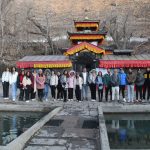
Tengboche Monastery: Perched on a high ridge at 3,867 meters, this is the leading Buddhist center of the Khumbu. The monastery, with its intricate wall paintings and massive Buddha statue, offers a serene place for trekkers to receive a blessing for their journey. The backdrop of Ama Dablam from the monastery courtyard is considered one of the most beautiful views in the world.
-
Dingboche and Lobuche: These high-altitude settlements are the final outposts before the final push to the base camp. Here, the green forests disappear, replaced by a stark landscape of rock and ice. Dingboche (4,410m) is famous for its “summer stone walls” built to protect crops from the mountain winds.
Reaching the Goal: EBC and Kala Patthar The final leg of the trek takes you from the last seasonal settlement of Gorak Shep to Everest Base Camp. Walking alongside the Khumbu Glacier, you eventually reach the iconic rock marked with “Everest Base Camp,” draped in thousands of colorful Buddhist prayer flags. While EBC is the emotional goal, it does not actually offer a full view of the Everest summit, as the mountain’s shoulder hides its peak. For the ultimate view, trekkers hike up to Kala Patthar (5,545m) at dawn. Standing on this rocky ridge provides an unobstructed, panoramic view of the entire Everest massif, including the terrifying beauty of the Khumbu Icefall.
Logistics, Safety, and Teahouse Culture The EBC trek is supported by a unique “teahouse” system. These are small, family-run mountain lodges that provide a bed and hot meals (typically Dal Bhat, pasta, and soups). This means trekkers do not need to carry tents or heavy cooking equipment. Safety, however, is the highest priority. Acute Mountain Sickness (AMS) is a real risk at these elevations. A professional tour package ensures a slow ascent with built-in acclimatization days, plenty of hydration, and guides trained to recognize the symptoms of altitude sickness. Many travelers also opt for “Helicopter Return” tours, which allow them to trek to the base camp and fly back to Kathmandu in a single, spectacular morning, skipping the knee-straining descent.
Best Time to Visit There are two primary windows for the Everest Base Camp trek:
-
Spring (March to May): This is the most popular season. The weather is warming up, the rhododendron forests are in full bloom, and the trail is buzzing with energy as climbing teams prepare for their summit attempts in May.
-
Autumn (September to November): This season offers the clearest skies and the most stable weather. After the monsoon rains wash away the dust, the mountain views are sharp, crisp, and uninterrupted, making it the best time for photography.
-
Winter and Monsoon: Trekking in winter (December to February) is possible but requires extreme cold-weather gear, as temperatures can drop to -20°C. The monsoon season (June to August) is generally avoided due to clouds obscuring the mountains and flight cancellations at Lukla.