This specific Kerala circuit is masterfully designed to capture the absolute best of the state, taking you on a sweeping journey from historic colonial harbor cities up into the misty, high-altitude tea estates, before bringing you back down to the serene backwaters and golden, sun-drenched beaches. The adventure typically begins in the vibrant coastal city of Cochin (Kochi), where centuries of global spice trade have left a fascinating, multicultural architectural footprint of Portuguese churches, Dutch palaces, and the iconic, cantilevered Chinese fishing nets lining the shore.
From the humid coast, the landscape shifts dramatically as you ascend into the Western Ghats. The premier hill stations of Munnar and Vagamon offer a refreshingly cool, misty climate. Here, the scenery is dominated by vast, rolling expanses of meticulously manicured tea plantations and fragrant pine forests that look like giant green carpets draped over the mountains. Further south, the dense jungles of Thekkady provide thrilling encounters with Kerala’s incredible wildlife, offering the chance to spot herds of wild elephants and exotic bird species thriving within the protected boundaries of the Periyar Tiger Reserve.
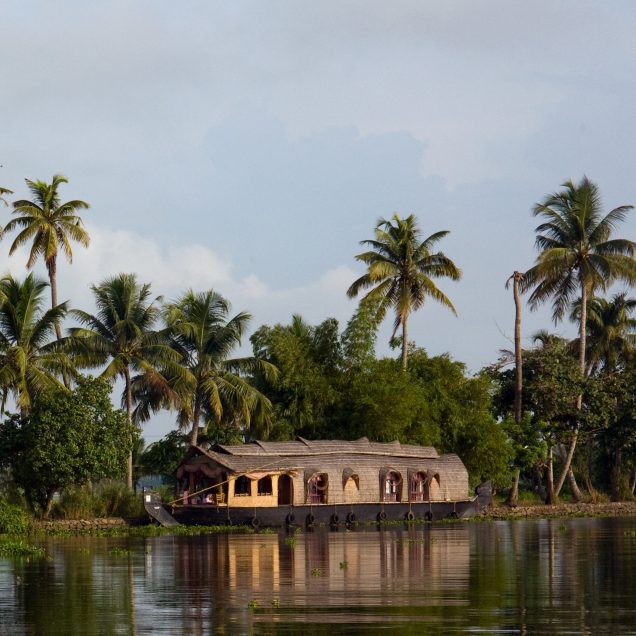
However, the undisputed icon of Kerala tourism lies in its backwaters. In Alleppey, travelers step aboard traditional wooden Kettuvallams (houseboats) to drift silently through a vast network of interconnected canals, rivers, and lagoons. This overnight cruise offers a deeply intimate look at traditional, water-bound village life, surrounded by endless stretches of brilliant green paddy fields. The journey ultimately culminates on the crescent-shaped beaches of Kovalam, where the warm, inviting waters of the Arabian Sea provide the ultimate relaxing finale to an unforgettable South Indian expedition.
Sights
Map
Info
Cochin (Kochi): The Queen of the Arabian Sea Serving as the primary commercial and cultural gateway to the state, Cochin is a vibrant city spread across a cluster of islands and peninsulas. The historic heart of the city is Fort Kochi. Walking through its shaded, tree-lined streets feels like stepping back in time. The shoreline is famously dominated by the massive Chinese Fishing Nets, introduced by traders from the court of Kublai Khan in the 14th century. Visitors can explore the St. Francis Church (the original burial site of Portuguese explorer Vasco da Gama), the beautifully preserved Jewish Synagogue in the Mattancherry district, and the Dutch Palace, which features incredibly vivid, centuries-old Hindu murals. In the evenings, Fort Kochi is the perfect place to witness a spectacular Kathakali performance, Kerala’s highly stylized, traditional classical dance characterized by elaborate makeup and intricate facial expressions.
Munnar and Vagamon: The Emerald Hill Stations Leaving the coast, the road winds steeply upward into the Western Ghats. Munnar, situated at roughly 1,600 meters above sea level, is arguably South India’s most famous and picturesque hill station. The scenery here is breathtaking, defined by endless rolling hills carpeted in bright green tea plantations. Travelers can visit the local Tea Museum to learn about the history of cultivation, trek to the stunning Echo Point where your voice bounces across the reservoir, or search for the endangered Nilgiri Tahr (a mountain goat) in Eravikulam National Park. Just a few hours away lies Vagamon, a quieter, off-the-beaten-path alternative. Known for its striking pine forests, velvety green meadows, and mist-covered valleys, Vagamon is a haven for paragliding, rock climbing, and travelers seeking absolute, undisturbed silence away from the commercial tourist crowds.
Thekkady: Spice Gardens and Wildlife Sanctuary Moving south along the Ghats brings you to Thekkady, the location of the famous Periyar National Park. This region is the undisputed spice capital of India. Guided tours through local plantations offer visitors the chance to see exactly how cardamom, black pepper, cinnamon, cloves, and nutmeg are grown, harvested, and processed. The main attraction, however, is the wildlife sanctuary centered around Periyar Lake. Unlike traditional jeep safaris, the primary way to view wildlife here is by boat. As the vessel glides quietly across the lake, visitors frequently spot herds of wild elephants coming down to the water’s edge to drink and bathe, alongside bison, wild boar, and a spectacular array of exotic birdlife.
Alleppey (Alappuzha): The Venice of the East No trip to Kerala is complete without experiencing the legendary backwaters of Alleppey. This unique ecosystem comprises over 900 kilometers of interconnected canals, rivers, and lakes. The ultimate way to explore this watery world is by booking an overnight stay on a traditional houseboat. Originally used to transport tons of rice and spices, these massive wooden boats have been converted into floating luxury hotel rooms, complete with open-air viewing decks, comfortable air-conditioned bedrooms, and private chefs serving fresh local cuisine. Cruising through the backwaters offers a front-row seat to local life; you will see children taking canoes to school, women washing clothes on the banks, and endless stretches of brilliant green paddy fields sitting below sea level.
Kovalam: The Coastal Finale The circuit wraps up at the southern tip of the state in Kovalam. Once a sleepy fishing village, Kovalam is now a premier international beach destination, famous for its three adjacent, crescent-shaped beaches. Lighthouse Beach is the most vibrant, featuring a towering, candy-striped lighthouse that offers panoramic views of the Arabian Sea coast. The waters here are warm and generally safe for swimming. Kovalam is also globally renowned as a hub for Ayurvedic medicine. Visitors can end their extensive tour with deep-tissue Ayurvedic massages using medicated herbal oils, providing profound physical healing and absolute mental relaxation.
Culinary Heritage and Travel Logistics Kerala’s cuisine is as vibrant as its landscape, relying heavily on coconut milk, tamarind, fresh curry leaves, and local seafood. Dishes like Karimeen Pollichathu (pearl spot fish roasted in a banana leaf) and Appam with vegetable stew are absolute must-tries. Logistically, Kerala is exceptionally well-connected, boasting international airports in Cochin and Trivandrum. The state’s tourism infrastructure is highly developed, making private car travel safe and comfortable. The optimal time to visit is during the winter months, from October to March, when the weather is cool and dry. While the monsoon season (June to August) limits beach activities, it is widely considered the absolute best time to receive traditional Ayurvedic treatments, as the cool, humid air perfectly opens the body’s pores.